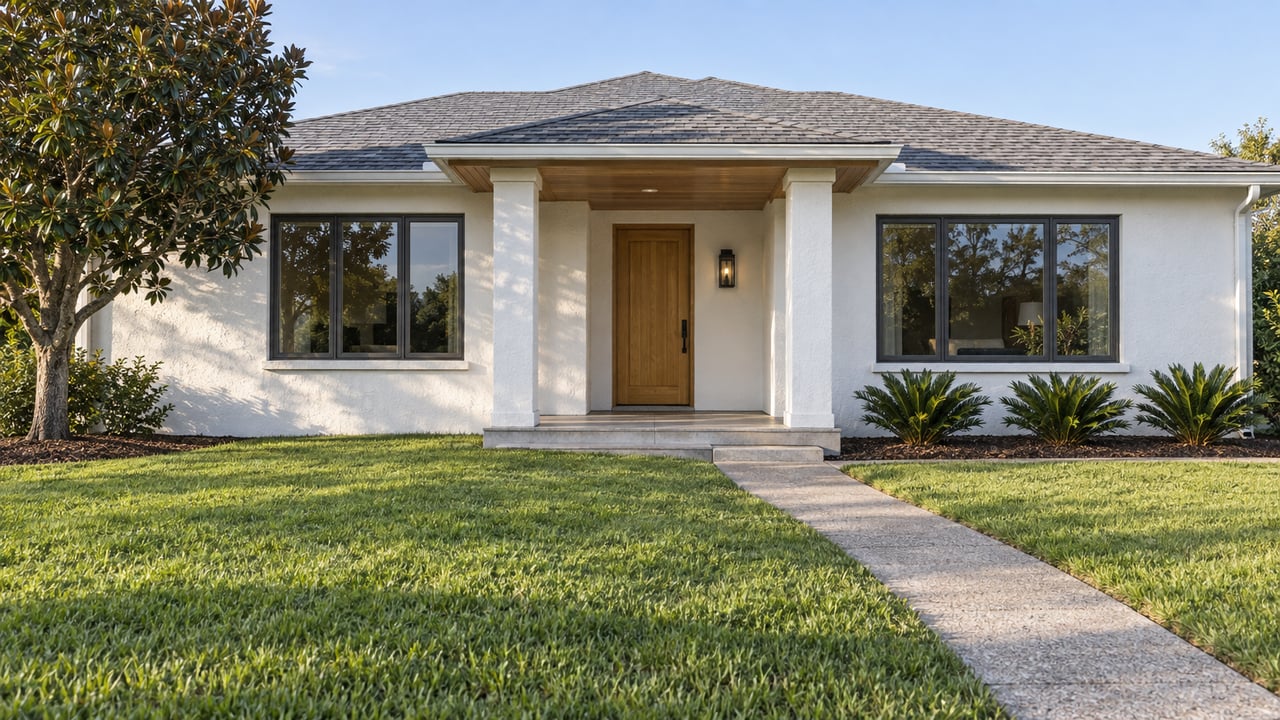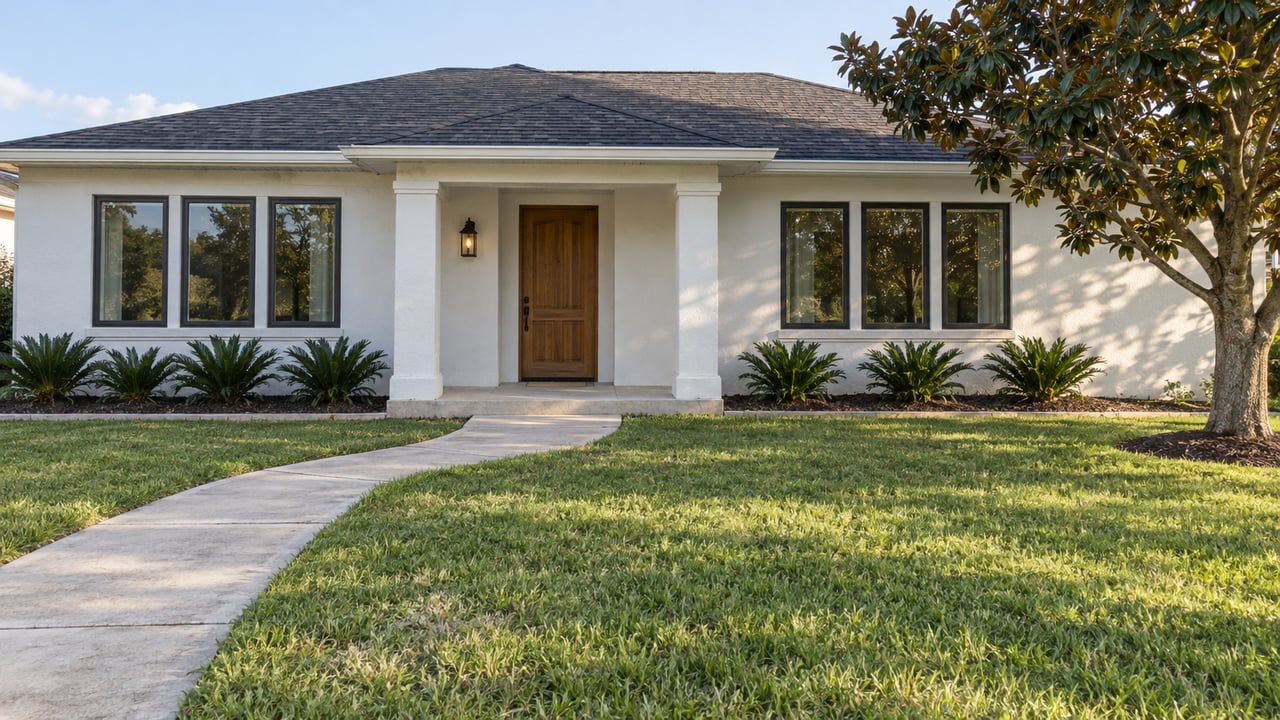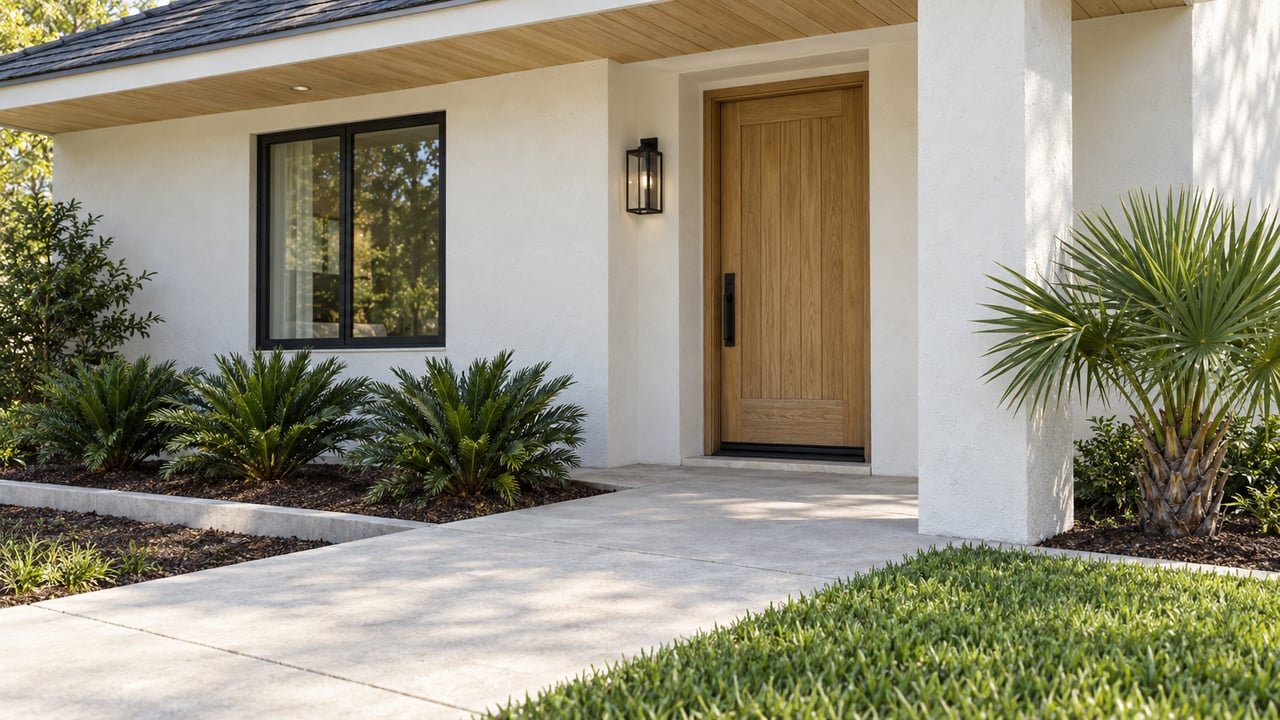
Buying or selling a home in Lakeland can feel simple until the inspection report lands in your inbox. Suddenly, terms like roof life, moisture intrusion, and accessible components start carrying real weight. If you understand what a Florida home inspection does and does not cover, you can make better decisions, reduce surprises, and move forward with more confidence. Let’s dive in.
How Home Inspections Work in Florida
In Florida, home inspectors must be licensed. Their required education covers major parts of a home, including the structure, electrical system, HVAC, roof covering, plumbing, interior, exterior, and site conditions that affect the structure.
Before the inspection begins, the inspector must provide a copy of their license and a written disclosure explaining the scope of the inspection and what is excluded. That matters because a standard home inspection in Florida is not an unlimited top-to-bottom investigation.
A general Florida home inspection is a visual review of visible and readily accessible systems and components. The inspector reports on what can be seen at that time, notes significant deficiencies, identifies components near the end of their service life, and lists any present components that were not inspected.
Just as important, the report is not a prediction of future condition. It also does not have to include repair cost estimates. If a problem is found, you may need a contractor or specialist to help you understand the likely cost and next steps.
Why Inspections Matter in Lakeland
Lakeland homes face typical Florida conditions that can shape inspection findings. NOAA climate normals show about 56.82 inches of annual rainfall, with the wettest period during the summer rainy season, along with average summer highs in the low 90s.
That climate puts extra attention on a few practical issues. Roof drainage, air conditioning performance, and moisture control often become central parts of the inspection conversation in Lakeland because heat and moisture can stress a home over time.
For buyers, that means you want to look beyond cosmetic appeal. For sellers, it means small deferred maintenance items can stand out more once an inspector starts documenting visible conditions.
What Inspectors Usually Focus On
Roof Condition and Visible Wear
Roofing is one of the biggest inspection items in Florida. Standards require inspectors to review visible and readily accessible roof covering systems and components, including attic ventilation and structural supports.
In real-world terms, buyers and sellers should expect close attention to roof age, patching, visible signs of leaks, and the overall condition of the roof deck where observable. These details can affect not only repair planning, but also how comfortable a buyer feels moving ahead.
HVAC Performance and Cooling Concerns
In Central Florida, air conditioning is not a luxury. It is a core system that affects everyday comfort, especially during long hot seasons.
Florida standards cover visible and readily accessible HVAC components. However, a general inspector is not required to inspect internal components like coils and pans. If the report raises concerns about performance, age, or visible issues, a licensed HVAC contractor may be the next step.
Plumbing and Water-Related Issues
Plumbing is another major inspection category. Florida inspection standards include visible plumbing components, water heating equipment, venting, drainage, and shutoff valves.
Because water problems can spread quietly, even a minor visible concern can lead to bigger questions. Stains under sinks, slow drainage, evidence of past leaks, or signs of corrosion may all deserve a second look before a transaction moves forward.
Moisture and Mold Clues
Moisture matters in every market, but it is especially important in Florida. Home inspectors are not required to use special instruments to measure moisture or humidity, and they are not required to identify concealed conditions or latent defects.
That means visible clues carry a lot of value. Watch for water stains, warped materials, active leaks, drainage problems, condensation, and musty odors. The Florida Department of Health notes that mold grows where moisture is present, so visible signs of water damage should never be brushed aside.
Termites and Wood-Destroying Organisms
Termites and other wood-destroying organisms are a common concern in Florida. If a WDO inspection is done for a real estate transaction and a report is requested or a fee is charged, Florida law requires a report that notes inaccessible areas, visible evidence of infestation or prior treatment, and any visible damage.
That report is not a guarantee that no issues exist. It is a snapshot based on visible conditions. UF/IFAS also notes that subterranean termites seek moisture and may nest in wet wood, which is one reason moisture issues and pest concerns often overlap.
What Buyers Should Know Before the Inspection
If you are buying in Lakeland, treat the general inspection as the starting point, not the finish line. A standard inspection gives you a broad picture of visible conditions, but it may also point to areas that need deeper review.
If the report flags roof age, moisture concerns, termite evidence, or possible wind-resistance issues, the next step is often a specialist inspection or contractor bid. That extra step can help you understand the real scope of the issue before you finalize negotiations.
It also helps to attend the inspection when possible. You can ask questions, see concerns in person, and better understand which items are routine maintenance versus larger red flags.
What Sellers Should Do Before an Inspection
If you are selling, preparation can make the process smoother and cleaner. Since Florida inspections are based on visible and readily accessible components, blocked access can create unnecessary "not inspected" notes in the report.
Before inspection day, make sure the inspector can easily reach:
- Attic access
- HVAC equipment
- Electrical panels
- Plumbing shutoff areas
- Exterior access points
It is also smart to address obvious maintenance issues ahead of time when practical. A dripping faucet, missing roof shingle, stained ceiling area, or clogged gutter may seem small, but visible issues tend to create broader concern once they are documented in writing.
How Inspection Findings Affect Negotiations
Not every inspection issue changes the deal. In Lakeland and across Florida, the findings that usually carry the most weight are the ones tied to cost, safety, moisture damage, or insurance concerns.
Roof age and condition often matter more than sellers expect. Under Florida law, insurers may not refuse to issue or renew a homeowners policy solely because a roof is under 15 years old. For roofs 15 years or older, the insurer must allow a roof inspection by an authorized inspector, and if that inspection shows five or more years of useful life remain, the insurer may not refuse coverage solely because of roof age.
That means a roof discussion is not always as simple as "old roof equals no insurance." Still, the details matter, and buyers often need clear documentation when a roof is older.
Since a home inspection report does not include repair estimates, negotiations usually become more productive when supported by specialist opinions or contractor bids. Those documents can help both sides move from general concern to specific options.
Common negotiation paths include:
- A repair request before closing
- A seller credit toward repairs
- A price adjustment
- A specialist review before final agreement
Florida Seller Disclosure Still Matters
In Florida, sellers have an important disclosure duty. If you know about facts that materially affect the property’s value, and those facts are not readily observable or known to the buyer, they should be disclosed.
That duty is still important even in an as-is sale. Known leaks, prior roof failures, unpermitted work, recurring moisture problems, or repeated pest issues are all examples of matters that may need to be disclosed rather than left for a buyer to discover later.
For sellers, honesty is not just the safer path. It usually leads to a smoother transaction with fewer last-minute disputes.
When a Wind-Mitigation Inspection Helps
A general home inspection and a wind-mitigation inspection are not the same thing. If storm resistance becomes part of the conversation, a separate wind-mitigation inspection may be useful.
The Florida Department of Financial Services' My Safe Florida Home guide highlights features such as roof deck attachment, secondary water barriers, roof-to-wall connections, and opening protection. These features can matter because insurance discounts may be tied to what is documented in that report.
For buyers, this can help you understand a home’s storm-hardening features more clearly. For sellers, it can provide helpful documentation when your home has mitigation upgrades worth highlighting.
Practical Tips for a Smoother Inspection
For Buyers in Lakeland
- Read the inspector’s scope and exclusions before the inspection starts
- Attend the inspection if possible
- Focus on visible signs of roofing, moisture, plumbing, and HVAC issues
- Ask follow-up questions when the report mentions limited access or excluded items
- Get specialist reviews or contractor bids for major concerns
For Sellers in Lakeland
- Unblock access to all major systems and inspection points
- Replace burned-out bulbs where safe and practical so fixtures can be tested
- Clean up areas around panels, hatches, and equipment
- Gather records for past repairs, roof work, pest treatment, or HVAC service if available
- Disclose known material issues clearly and early
The Bottom Line on Lakeland Home Inspections
A home inspection is one of the most useful reality checks in a real estate transaction. It helps buyers understand what they are purchasing, and it helps sellers deal with concerns before they become closing-table surprises.
In Lakeland, the biggest inspection conversations often come back to roof condition, moisture, HVAC performance, plumbing, and wood-destroying organisms. When you know what a Florida inspection covers and where you may need a specialist, you can negotiate more clearly and move forward with less stress.
If you are preparing to buy or sell in Lakeland and want practical guidance on what inspection findings could mean for your next move, Nikii Cope can help you plan your next steps with clear, local insight.
FAQs
What does a standard home inspection cover in Lakeland, Florida?
- A standard Florida home inspection is a visual review of visible and readily accessible systems and components, including major areas like the roof, structure, electrical, HVAC, plumbing, interior, exterior, and site conditions that affect the structure.
What should buyers watch for during a Lakeland home inspection?
- Buyers in Lakeland should pay close attention to roof condition, signs of moisture or leaks, HVAC performance, plumbing issues, and any visible evidence related to termites or other wood-destroying organisms.
What should sellers do before a home inspection in Lakeland?
- Sellers should make attic access, HVAC equipment, electrical panels, plumbing shutoffs, and exterior access points easy to reach, while also addressing obvious visible maintenance issues when possible.
Can a Florida home inspection report include repair costs?
- No. Florida home inspection reports identify visible deficiencies and other findings, but inspectors are not required to provide repair cost estimates.
How can roof age affect a Lakeland real estate deal?
- Roof age can affect negotiations and insurance discussions, especially when a roof is older, but Florida law provides rules that may allow coverage if an authorized inspection shows at least five years of useful life remain.
Is a wood-destroying organism inspection the same as a general home inspection in Florida?
- No. A WDO inspection is separate and, when done for a real estate transaction with a requested report or charged fee, must include a report noting inaccessible areas, visible infestation evidence, prior treatment, and visible damage.
When should a Lakeland buyer get a specialist inspection after a general inspection?
- A buyer should consider a specialist review when the general inspection flags major concerns involving the roof, moisture intrusion, HVAC performance, termite evidence, or wind-resistance features.