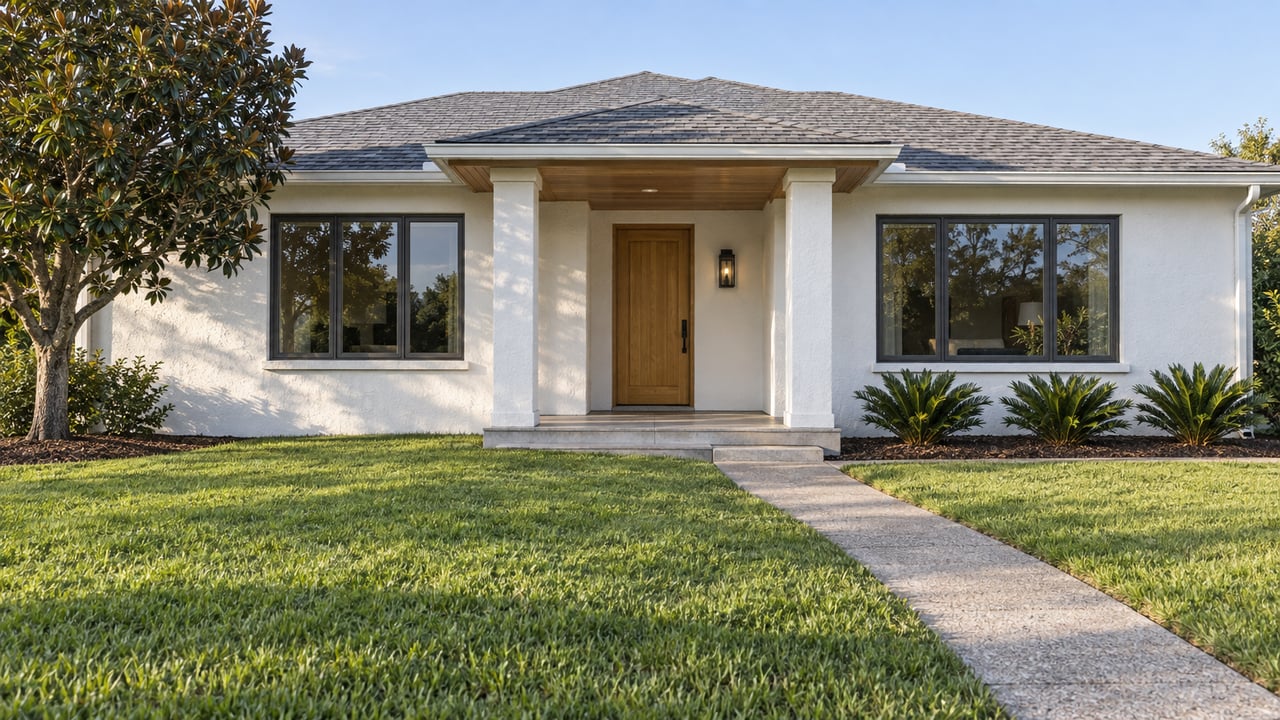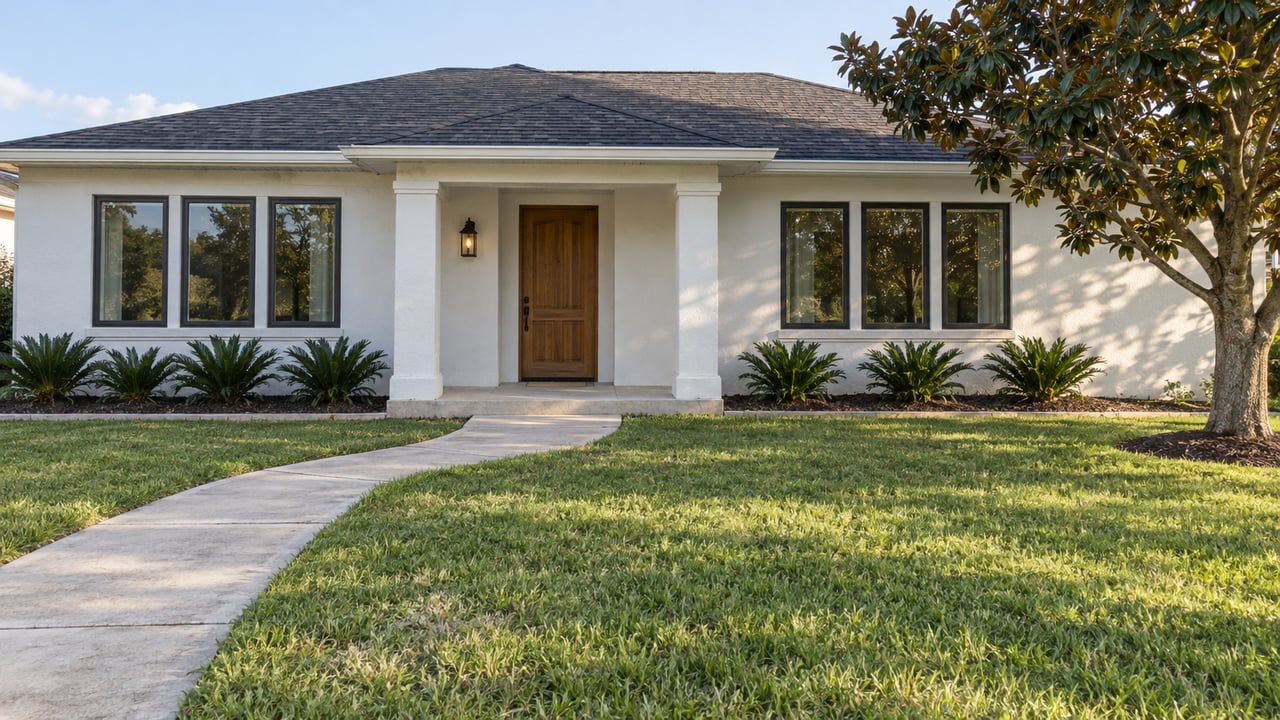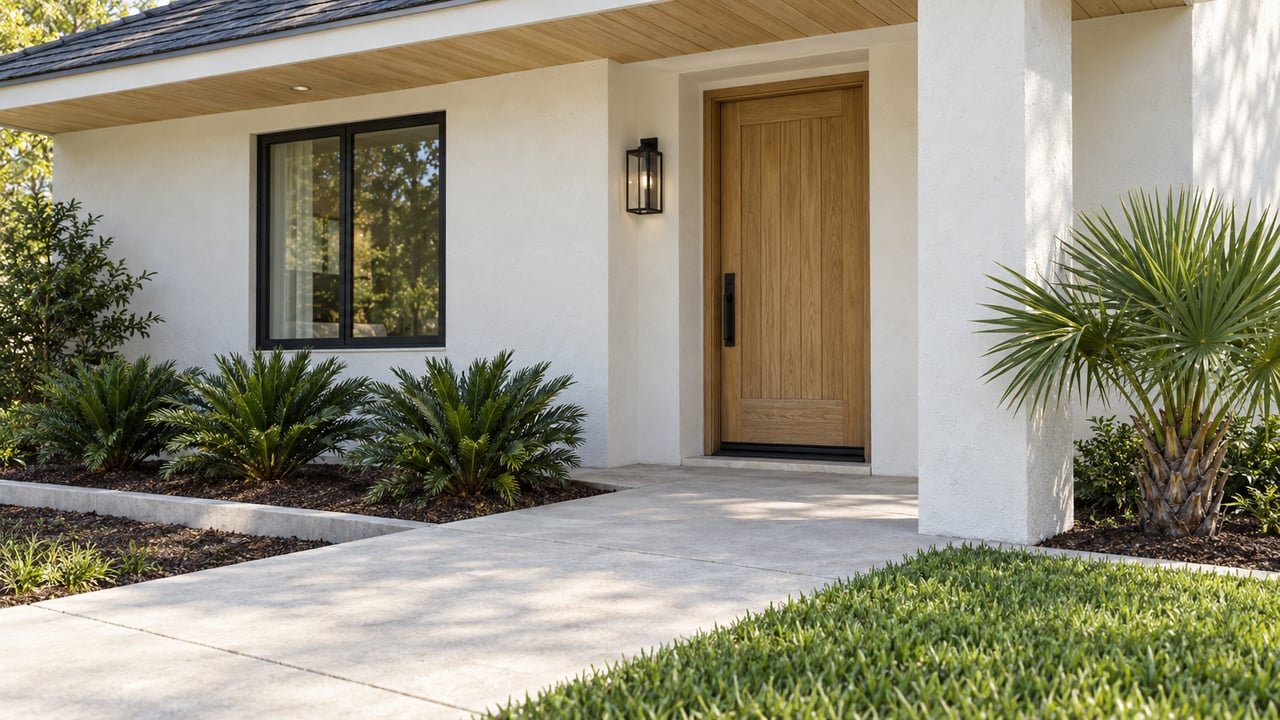
Buying your first home in Lakeland can feel exciting and overwhelming at the same time. You may already know your budget, but still wonder which neighborhood actually fits your daily life, commute, and comfort level with home upkeep. The good news is that Lakeland gives first-time buyers real variety, from historic areas near downtown to mid-century neighborhoods and amenity-driven suburban pockets. If you know what to compare before you start touring homes, you can narrow your search with a lot more confidence. Let’s dive in.
Start with your real buying range
Lakeland is not a one-price market, and that matters when you are choosing a neighborhood. Recent market snapshots show median sale and listing figures ranging from the low $300,000s to the mid $300,000s, depending on the source and how that source measures the market. Taken together, the data suggests you still have room to compare options and negotiate instead of rushing into one area too quickly.
It also helps to know that pricing varies by ZIP code. Recent figures show 33801 around $274,800, 33803 around $335,000, 33810 around $365,000, and 33811 around $339,990. Those numbers are best used as a starting point for expectations, not as a promise of what every home in that area will cost.
That is why you should avoid anchoring on one headline price. When you compare neighborhoods, look at sold price, list price, price per square foot, days on market, and how much inventory is available. In Lakeland, neighborhood choice and property condition still have a big effect on what you will actually pay.
Match the neighborhood to your lifestyle
The best Lakeland neighborhood for you is not always the one with the lowest price or the prettiest listing photos. As a first-time buyer, you will usually make a better decision by matching your payment comfort zone with your commute, your maintenance tolerance, and how you want your day-to-day life to feel. That is where Lakeland’s neighborhood differences become useful.
Walkable historic core
If you like older homes, mature streetscapes, and a more urban feel, Lakeland’s historic core may stand out. Areas like Lake Morton, Dixieland, Beacon Hill, and North Lake Wire are closely tied to the city’s historic fabric and tend to offer homes with more character and older construction. These neighborhoods can feel very different from newer suburban pockets, so it helps to tour them with clear expectations.
Lake Morton includes homes built mostly from 1906 to 1926, with bungalow and Mediterranean influences. Dixieland is known for bungalow homes from the 1920s to 1940s, a grid street pattern, and a retail corridor. Beacon Hill is one of Lakeland’s most eclectic historic areas, with at least 14 architectural styles and many homes on double lots, while North Lake Wire sits just north of downtown with residential plats dating from 1901 through the mid-1920s.
These areas can be a great fit if you value charm and a central location. They can also come with more maintenance, older systems, and in some cases added rules for exterior changes. That does not make them harder to buy, but it does mean you should ask more questions before you make an offer.
Starter-home and mid-century areas
If you want a balance of value, location, and more modest upkeep expectations, neighborhoods with a mix of starter homes and mid-century stock may fit better. Cleveland Heights, Lake Miriam, Crystal Lake, and Shore Acres are good examples of areas where buyers can see a broader mix of home types and price points. For many first-time buyers, these neighborhoods offer a practical middle ground.
Cleveland Heights includes waves of development from 1901, the 1950s, and the 1980s, so the housing stock can vary quite a bit from one block to another. Lake Miriam is centrally located, with a wide range of lot sizes and many homes built from the 1960s through the 1980s. Crystal Lake includes owner-occupied single-family homes in the north and more rental and multi-family housing in the south, while Shore Acres is known for modest homes from the 1920s to 1950s, along with parks and some commercial frontage.
For a first-time buyer, this category often gives you more flexibility. You may find neighborhoods where the home size, lot size, and condition line up better with your budget than in the historic core or in higher-priced suburban enclaves. You still need to compare each home carefully, especially when the age of housing varies within the same neighborhood.
Amenity-led suburban pockets
Some buyers want less of a historic or central-city feel and more of an amenity-based neighborhood setup. In Lakeland, Sandpiper is a useful example of that choice. It is a North Lakeland neighborhood with a public golf course, resident activities, and a more amenity-driven feel than older in-town areas.
This kind of neighborhood can appeal to buyers who want a more structured setting or who place a high value on nearby amenities. It is also where you need to slow down and verify details like HOA rules and fees. The city’s neighborhood map flags private HOAs, and that is worth checking before you get emotionally attached to a house.
Think beyond the neighborhood name
One of the biggest mistakes first-time buyers make is choosing a neighborhood based only on its reputation or appearance. In Lakeland, the exact address matters just as much as the area name. Two homes in the same broad neighborhood can offer different commute patterns, zoning details, and maintenance expectations.
Commute is a great example. Lakeland sits along the I-4 corridor and the Polk Parkway, with access points including SR 570 at exit 27, Kathleen Road at exit 31, and US 98 at exit 32. If your work routine depends on a quick route, you should judge the home by its exact access to your main roads, not just by saying it is in North Lakeland or near downtown.
Public transit matters for some buyers too. The City of Lakeland directs residents to Citrus Connection, and Citrus Connection provides bus service in Lakeland and other Polk County communities. If transit access is important to you, confirm route convenience from the specific address rather than assuming neighborhood-wide coverage will fit your schedule.
Understand what home age means for ownership
In Lakeland, neighborhood choice often goes hand in hand with home age. That affects more than style. It can shape your maintenance budget, your comfort with updates, and how much work you may want to take on after closing.
Historic areas near downtown often include homes from the early 1900s through the 1920s. Mid-century neighborhoods like Lake Miriam and Crystal Lake often feature homes from the 1950s through the 1980s. Those differences can affect everything from layout and lot size to the likely age of major systems.
As a first-time buyer, be honest with yourself about what you can handle. If you love character but do not want frequent upkeep, an older home may feel less fun once you own it. If you are comfortable with a home that needs gradual improvements over time, a neighborhood with older housing stock may open up more options.
Verify school zones by address
If school access is part of your home search, use address-level information. Polk County Public Schools provides a zoning tool and GeoZone map for people moving to a new address. Controlled open enrollment may also be available when schools have capacity.
The key takeaway is simple: do not assume the school zone based on a neighborhood name or listing description. Verify the exact school assignment for the property address before you make a decision. That small step can save you a lot of confusion later.
Check long-term costs, not just the payment
A home that fits your monthly payment today still needs to make sense over time. In Florida, homestead exemption can reduce the taxable value of a primary residence by as much as $50,000, and Save Our Homes protection limits assessment growth on homesteaded property. In Polk County, the property appraiser handles exemption applications.
That does not mean every home will cost the same to own just because the sale prices look similar. Taxes, neighborhood rules, HOA fees, home age, and likely maintenance all shape your real monthly experience. Looking at those costs early helps you choose a neighborhood you can enjoy, not just afford for the first year.
A simple way to narrow your search
If Lakeland feels too broad right now, keep your search simple. Start with the three filters that matter most to first-time buyers: budget, commute, and maintenance tolerance. Once you define those clearly, it becomes much easier to sort through neighborhoods that might otherwise blur together.
You can use this quick checklist:
- Set a monthly payment ceiling that still leaves room for repairs, insurance, and everyday life.
- Choose a realistic commute radius based on your exact work routes.
- Decide whether you prefer historic character, mid-century practicality, or an amenity-driven setting.
- Verify the address for school zoning if that matters to your household.
- Check whether the property is in a historic district.
- Confirm whether there is an HOA, plus any fees or restrictions.
- Compare the home’s age and condition with the surrounding housing stock.
This approach helps you shop with more clarity. Instead of asking, “What is the best neighborhood in Lakeland?” you can ask, “Which Lakeland neighborhood fits the way I actually want to live?” That is the question that usually leads to a smarter first purchase.
Choosing your first Lakeland neighborhood is really about balancing trade-offs with confidence. Some buyers will love the charm and walkability of older central neighborhoods, while others will feel better in a more practical mid-century area or a suburban pocket with amenities. If you want local guidance that helps you compare neighborhoods, prices, and next steps without the stress, connect with Nikii Cope.
FAQs
How much do Lakeland homes cost for first-time buyers?
- Recent Lakeland market data points to median sale and listing prices in the low-to-mid $300,000s, with variation by source, ZIP code, neighborhood, and property condition.
Which Lakeland neighborhoods have more historic homes?
- Lake Morton, Dixieland, Beacon Hill, and North Lake Wire are strong examples of Lakeland areas with older homes, historic character, and a more urban feel.
Which Lakeland neighborhoods may fit a first-time buyer budget better?
- Areas like Cleveland Heights, Lake Miriam, Crystal Lake, and Shore Acres can offer a wider mix of starter-home and mid-century options, depending on the specific property and condition.
How should you compare Lakeland neighborhoods as a first-time buyer?
- Focus on your payment ceiling, commute route, home age, maintenance tolerance, school-zone verification, and whether the home is in a historic district or HOA.
Do Lakeland neighborhoods have HOA rules?
- Some do, and the city’s neighborhood map notes private HOAs, so you should confirm the specific property’s HOA status, fees, and rules before making an offer.
How do you verify a Lakeland school zone for a home address?
- Polk County Public Schools provides an address zoning tool and GeoZone map, and you should verify the exact property address rather than relying on the neighborhood name.
Why does home age matter when buying in Lakeland?
- Lakeland neighborhoods include homes from the early 1900s through the 1980s, and the age of the home can affect maintenance expectations, updates, and long-term ownership costs.