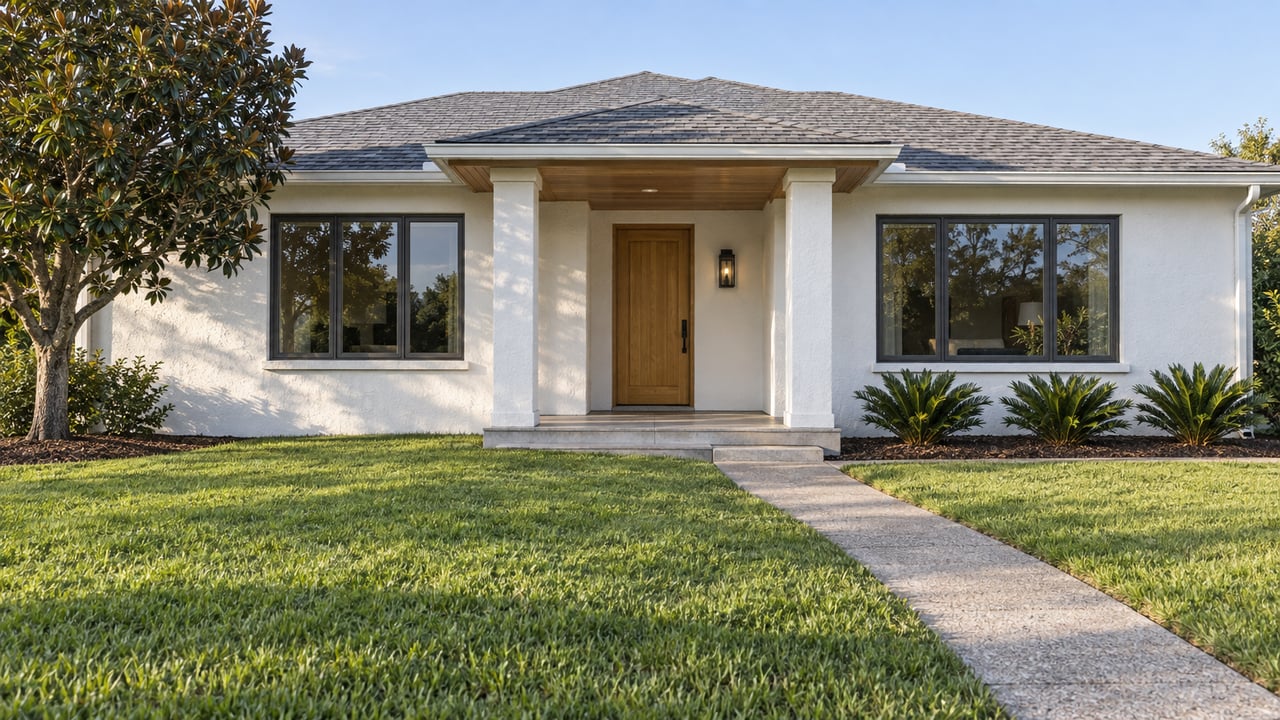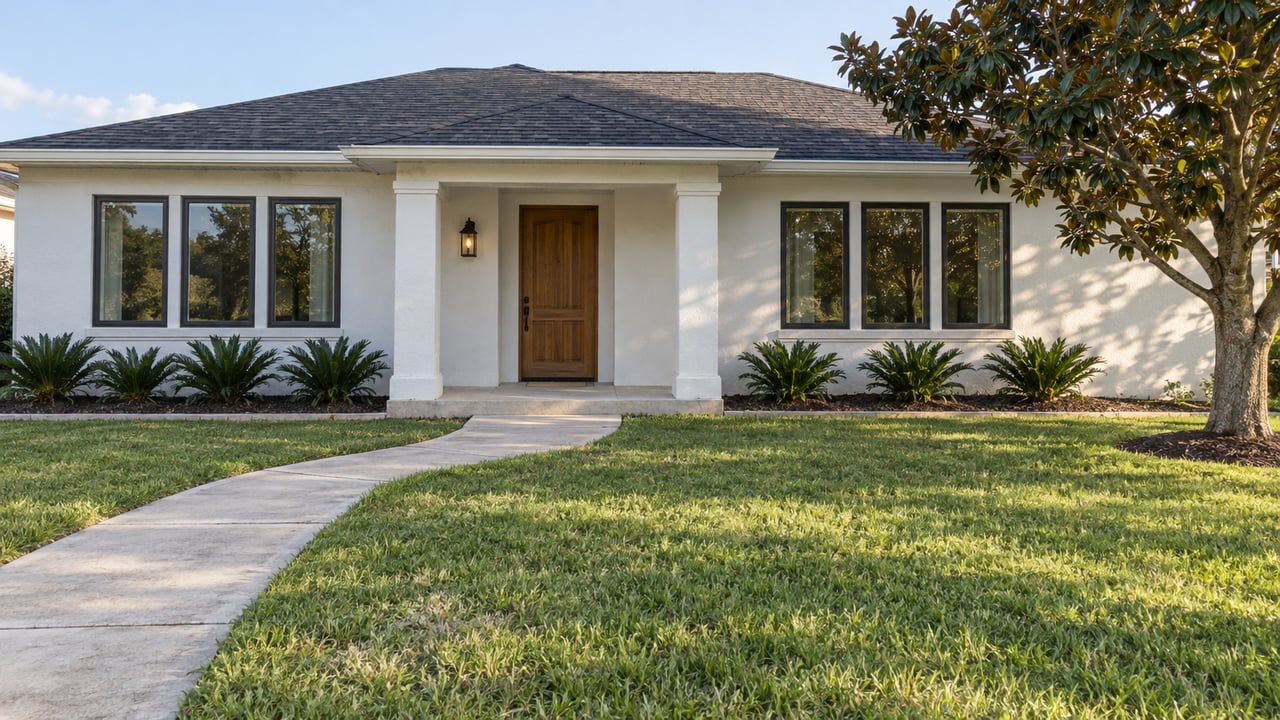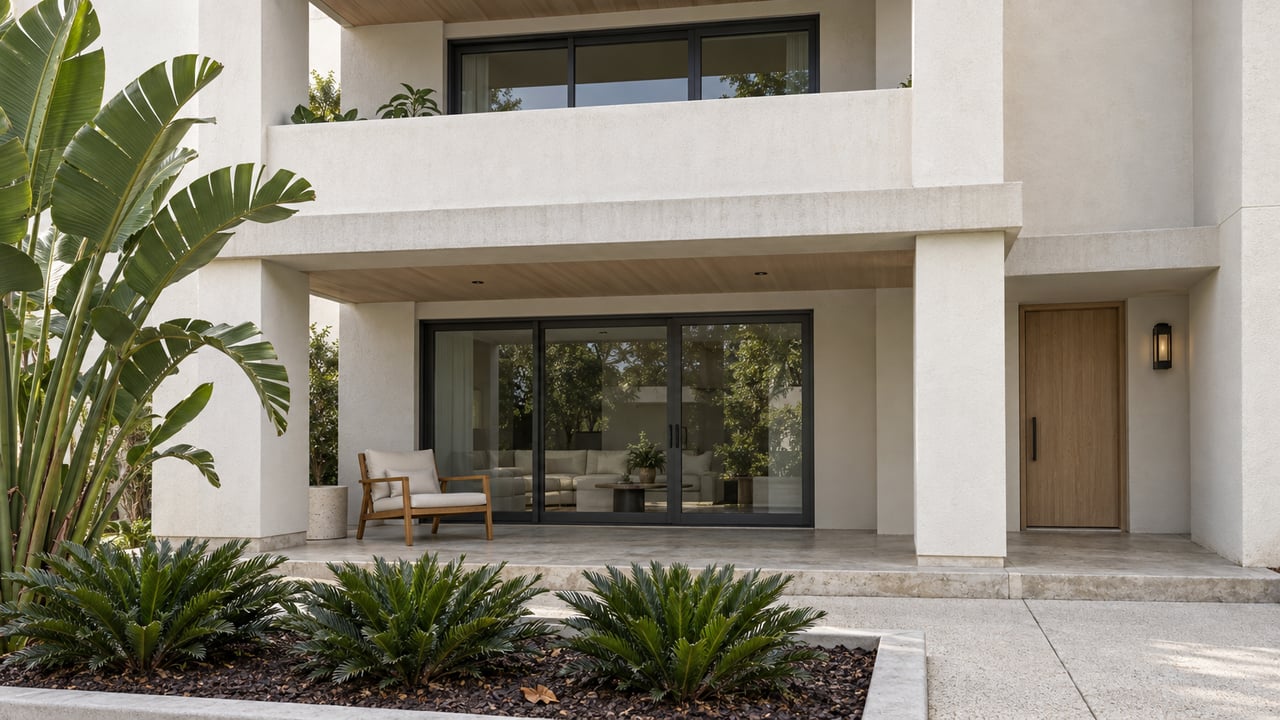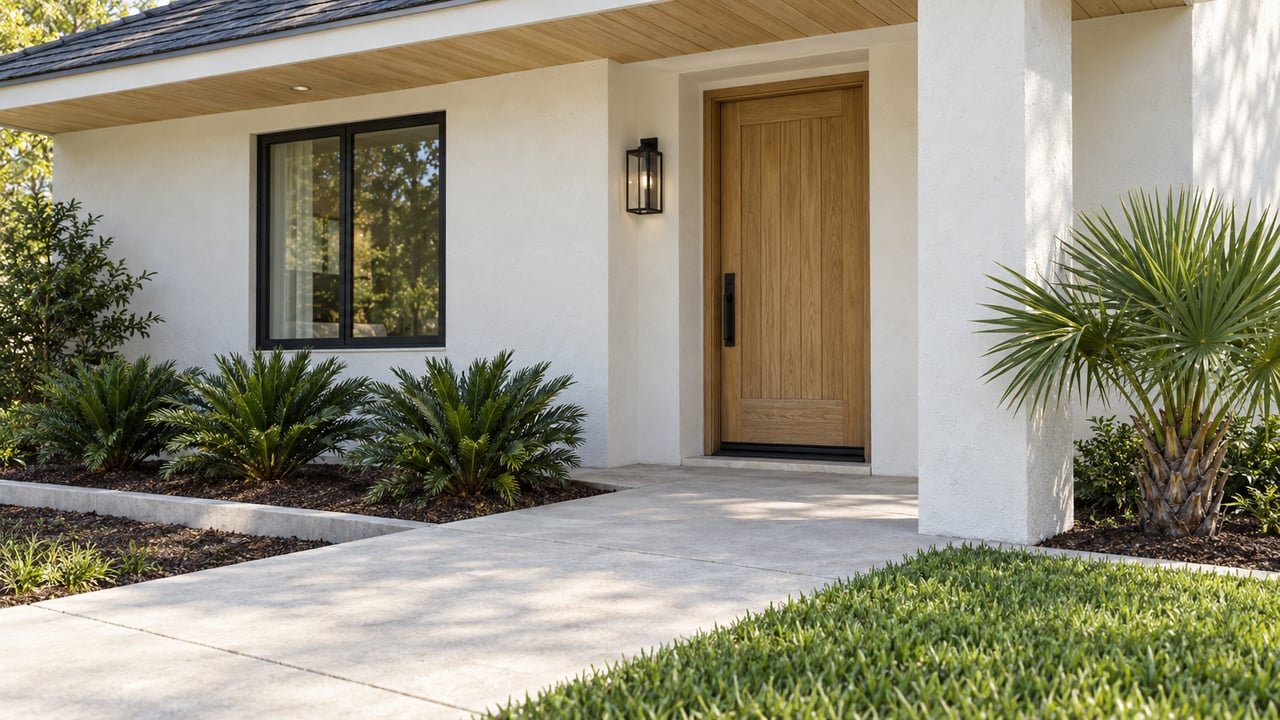
Looking for the right neighborhood in Plant City can feel harder than finding the right house. If you are raising kids, planning for more space, or relocating within Central Florida, you are likely weighing commute times, parks, home size, and day-to-day convenience all at once. The good news is that Plant City offers several neighborhood styles that can fit different family needs, from established communities with mature amenities to newer areas with larger floor plans and planned features. Let’s dive in.
Why Plant City appeals to families
Plant City gives you a mix of small-town character and regional access. The city sits along the I-4 corridor, which can make it practical for households commuting toward Tampa, Lakeland, or Orlando while still wanting a more neighborhood-focused setting.
City materials also highlight walkable neighborhoods, historic districts, retail and dining, and year-round recreation. That matters when you are not just buying a home, but choosing the setting for your family’s routine.
Another factor is growth. Plant City expects new residential development in the northeast sector and south end of town, so you can compare older, more established areas with newer-build communities depending on what matters most to you.
Parks and recreation matter here
For many growing households, neighborhood appeal goes beyond the house itself. Plant City’s parks and recreation system includes more than 757 acres of city property, with active and passive park land, youth classes, after-school and summer programs, city events, and athletic programming.
The city also oversees the Plant City Tennis Center, which has 10 courts, and coordinates field use for youth and adult sports. If your week includes playground time, lessons, sports practice, or seasonal events, these amenities can shape how livable an area feels.
Established neighborhoods with built-in character
Walden Lake
Walden Lake is one of the clearest examples of an established Plant City community with long-standing amenities. The association describes a neighborhood centered around a 62-acre lake with tree-lined streets, nature trails, athletic fields, a dog park, a playground, and a sports complex.
If you want a community with mature landscaping and an already-established amenity structure, this type of neighborhood can be appealing. It may also offer a more settled feel than a brand-new development, which some buyers prefer when they want a strong sense of place.
The tradeoff is that older master-planned communities often come with a wider range of home ages and association expectations. As you compare homes, it helps to look closely at maintenance needs, community rules, and what is included through the association.
Newer neighborhoods along growth corridors
Park East
If your priority is newer construction and a wider range of bedroom counts, Park East is one current option in Plant City. It is described as a master-planned community on North Park Road with single-family homes and floor plans ranging from 3 to 6 bedrooms.
Its onsite amenities include a swimming pool, basketball court, playground, and dog park. The community is also described as being near McCall Park, South Florida Baptist Hospital, and Plant City Stadium, which may matter if you are comparing convenience as much as square footage.
North Park Isle
North Park Isle is another newer master-planned option that may appeal to growing families who want more interior space and neighborhood amenities. It offers single-family homes with 3- to 6-bedroom plans and includes a pool, playground, picnic areas, basketball courts, and pickleball courts.
This type of community can work well if you want planned amenities close to home and the appeal of newer infrastructure. It is often a good fit for buyers who prefer a more suburban setup and do not mind a more car-oriented daily routine.
Varrea and future growth
Varrea is not the same as a finished neighborhood you can fully compare today, but it does show where Plant City is heading. It is described as a 1,008-acre master plan with 9 compact, walkable neighborhoods, a mostly residential layout, and access points tied to Charlie Taylor Road, Knights Griffin Road, Midway Road, and I-4 connectivity.
For buyers thinking long term, future growth areas can matter. They help you understand which parts of Plant City may continue to add homes, services, and neighborhood options over time.
Historic-core areas with walkable charm
Downtown and Midtown Plant City
Not every family wants a brand-new subdivision. Some buyers care more about character, civic spaces, and being near the heart of town.
Plant City’s redevelopment materials describe McCall Park as a place for social activity and special events. The downtown and Midtown plan also emphasizes pedestrian-friendly redevelopment with residential, retail, restaurant, and office uses, along with historic community anchors like the 1914 Plant City High School Community Center and Union Depot.
If you value charm and community life, downtown-adjacent areas may be worth a closer look. The tradeoff is that these areas may appeal less to buyers who want large lots or a newer home with a long list of planned amenities inside the neighborhood itself.
Low-maintenance options for busy households
Some families want the feel of a single-family home without taking on as much yard work. In Plant City, there are communities that market that lower-maintenance lifestyle.
The Ponds at Walden Woods is marketed with 3-, 4-, and 5-bedroom plans, fenced backyards, two-car garages, and amenities such as a clubhouse, fitness center, pool, playground, and walking trail. Wilder Meadows is another example of a single-family format that includes fenced backyards, two-car garages, open-concept plans, and lawn care service.
For a busy household, that setup can make a real difference. It may give you usable outdoor space while reducing some of the weekly upkeep that comes with a larger yard.
How to compare Plant City neighborhoods
Focus on everyday space
When you browse listings, look past total square footage. Bedroom count, flex rooms, storage, garage size, and usable outdoor space often matter more to daily family life than the number on paper.
In Plant City, many current community listings highlight open-concept layouts, 2-car garages, fenced backyards, and 3- to 6-bedroom floor plans. Those details can tell you much more about how a home will function for your household.
Separate home features from neighborhood amenities
This is one of the most important comparisons you can make. A pool, playground, trail, or sports court may belong to the community, not the home itself.
That is common in neighborhoods like Park East, North Park Isle, and Walden Lake. Before you fall in love with the listing photos, confirm which features are private to the home, which are shared, and what costs or rules may come with them.
Verify school assignments directly
In newer communities especially, school information shown on builder or community pages may not be current. Listings tied to Park East and North Park Isle specifically note that buyers should verify school assignments directly with the district.
That step is worth taking early. If school zoning is part of your home search criteria, direct verification can help you avoid surprises.
Check maintenance expectations
Not all low-maintenance communities work the same way. Some may include lawn care service, while others may not, and fees can vary.
If your goal is to simplify weekends and reduce upkeep, ask detailed questions about what is covered. This is especially important when comparing a larger private yard against a community that offers shared amenities and service-based maintenance.
Common tradeoffs for growing families
New construction vs. established feel
Newer communities often offer larger floor plans, planned amenities, and newer infrastructure. Established areas like Walden Lake or parts of the downtown core may offer mature landscaping, recognizable identity, and a more settled atmosphere.
Neither choice is automatically better. The right fit depends on whether you care most about newness, community character, or a balance of both.
Yard space vs. upkeep
A bigger yard can be a major plus, especially if you want room to play, garden, or enjoy more private outdoor time. It also brings more responsibility unless the community includes lawn care.
As you compare homes, think honestly about how much yard you will use and how much maintenance you want to manage. That answer can narrow your options quickly.
Amenities vs. association structure
Shared amenities can make life easier and more fun, especially for active households. But pools, trails, playgrounds, and sports courts usually come with association oversight and ongoing upkeep.
That does not mean you should avoid them. It just means you should understand what is included, what is governed, and how the neighborhood operates before you buy.
Walkability vs. commute style
Downtown-adjacent areas may appeal if you want to be closer to civic spaces, events, and a more mixed-use setting. Growth-corridor communities may offer newer homes and packaged amenities, but the lifestyle often leans more suburban.
Because Plant City sits along I-4, both approaches can work well depending on your commute and routine. The best neighborhood for your family is the one that supports how you actually live each day.
Questions to ask before you choose
As you narrow down neighborhoods in Plant City, keep these practical questions in mind:
- Is the school assignment current, and have you verified it directly?
- Are the pool, park, trail, or playground onsite or simply nearby?
- What is included in the HOA, CDD, or community association?
- Is the backyard fenced, and how much of it is truly usable?
- Is the neighborhood fully built out, or is construction still ongoing?
The more clearly you answer those questions, the easier it becomes to tell whether a neighborhood matches your family’s real needs instead of just looking good online.
If you want help comparing Plant City neighborhoods, sorting through listing details, or finding the right balance of space, amenities, and commute, Nikii Cope can help you make your move with more clarity and less stress.
FAQs
What kinds of Plant City neighborhoods appeal to growing families?
- Plant City offers several neighborhood types, including established communities like Walden Lake, newer master-planned neighborhoods like Park East and North Park Isle, downtown-adjacent historic-core areas, and low-maintenance single-family communities.
What makes Walden Lake stand out in Plant City?
- Walden Lake is known for its established amenity setup, including a 62-acre lake, tree-lined streets, nature trails, athletic fields, a dog park, a playground, and a sports complex.
What should you verify in newer Plant City communities?
- In newer communities, you should verify school assignments directly with the district, confirm which amenities are onsite, and ask what is covered by the HOA, CDD, or community association.
Are there low-maintenance family home options in Plant City?
- Yes. Local examples include communities that offer single-family homes with fenced backyards, garages, shared amenities, and in some cases lawn care service.
How do you choose between downtown Plant City and newer subdivisions?
- Downtown-adjacent areas may suit buyers who want character, civic spaces, and walkability, while newer subdivisions may better fit buyers looking for newer homes, larger floor plans, and planned neighborhood amenities.